

Table of Contents
- Why Buy Hardware Wallets From Authorized Retailers
- The Risks of Buying Crypto Wallets on Amazon and Third-Party Marketplaces
- How to Verify Hardware Wallet Authenticity Before Purchase
- Cold Storage vs. Hot Wallets: Why Offline Security Matters
- How to Set Up Your Hardware Wallet Securely
- Authorized Retailers vs. Marketplace Sellers: What You Gain
- Recommended Hardware Wallets From Trusted Sources
- Frequently Asked Questions
Last Updated: October 4, 2026
Why Buy Hardware Wallets From Authorized Retailers
Buying a hardware wallet from an authorized retailer isn't just a convenience, it's your first line of defense against a supply chain attack that could compromise your entire cryptocurrency portfolio. Individual and retail buyers now account for 67.1% of hardware wallet sales, according to Market Research Future's 2025 Hardware Wallet Market Report, driven largely by awareness of exchange hacks and the need for offline storage.
The difference between purchasing from an authorized retailer and buying from a third-party marketplace often comes down to a single critical factor: device authenticity. When you buy hardware wallet from retailer channels like The Crypto Merchant, you're getting more than a product, you're getting verification and the assurance that your device arrived in its original, uncompromised state.
The global hardware wallet market is projected to grow at a CAGR of 25.59% through 2031, according to Mordor Intelligence's 2026 Hardware Wallet Market Analysis, as more investors recognize that cold storage, keeping private keys completely offline, is the gold standard for asset protection. But growth in demand has created opportunity for bad actors.
The Risks of Buying Crypto Wallets on Amazon and Third-Party Marketplaces
Amazon, eBay, and other third-party marketplaces have become common hunting grounds for counterfeit hardware wallets. The problem isn't that these platforms are inherently unsafe, it's that they don't verify the authenticity of every seller or inspect devices before they ship. A seller with a clean rating can still send you a device that's been tampered with, pre-loaded with malicious firmware, or simply a convincing fake.
Exchange hacks remain a primary driver for increased investment in cold storage hardware wallets among retail users, according to Business Wire's Global Hardware Wallet Market Report. When major exchanges get breached, thousands of users lose assets stored online. That realization drives people toward hardware wallets, but it also creates urgency that bad actors exploit.
Supply Chain Attack Vectors
A supply chain attack on a hardware wallet can happen at multiple points: during manufacturing, in transit, or even in the retailer's warehouse. The goal is always the same, get a compromised device into your hands before you realize what's happened.
Counterfeiters and bad actors use several methods. Some intercept legitimate devices in transit and swap them with fakes before they reach the seller. Others manufacture convincing replicas with slightly altered components that function normally but contain hidden vulnerabilities.
Third-party marketplaces make these attacks easier because they don't have the infrastructure to verify every device. A seller might claim authenticity, but without physical inspection or cryptographic verification, there's no way to confirm. The device could have been sitting in a warehouse for months, giving attackers time to intercept it.
Counterfeit Devices and Tampered Hardware
Counterfeit hardware wallets are increasingly difficult to spot with the naked eye. Manufacturers like Trezor and Ledger have worked hard to make their devices recognizable, but counterfeiters have gotten better at replicating packaging, build quality, and even the user experience.
The real danger of a counterfeit device isn't that it looks fake, it's that it looks real. You unbox it, set it up following the official instructions, and everything seems fine. But a counterfeit might have a different secure element chip, modified firmware, or compromised manufacturing.
Tampered devices pose a similar threat. An attacker intercepts a legitimate device in transit, opens it carefully, modifies the firmware or hardware, reseals it, and sends it on its way. To you, it looks like a brand-new, factory-sealed product.
How to Verify Hardware Wallet Authenticity Before Purchase
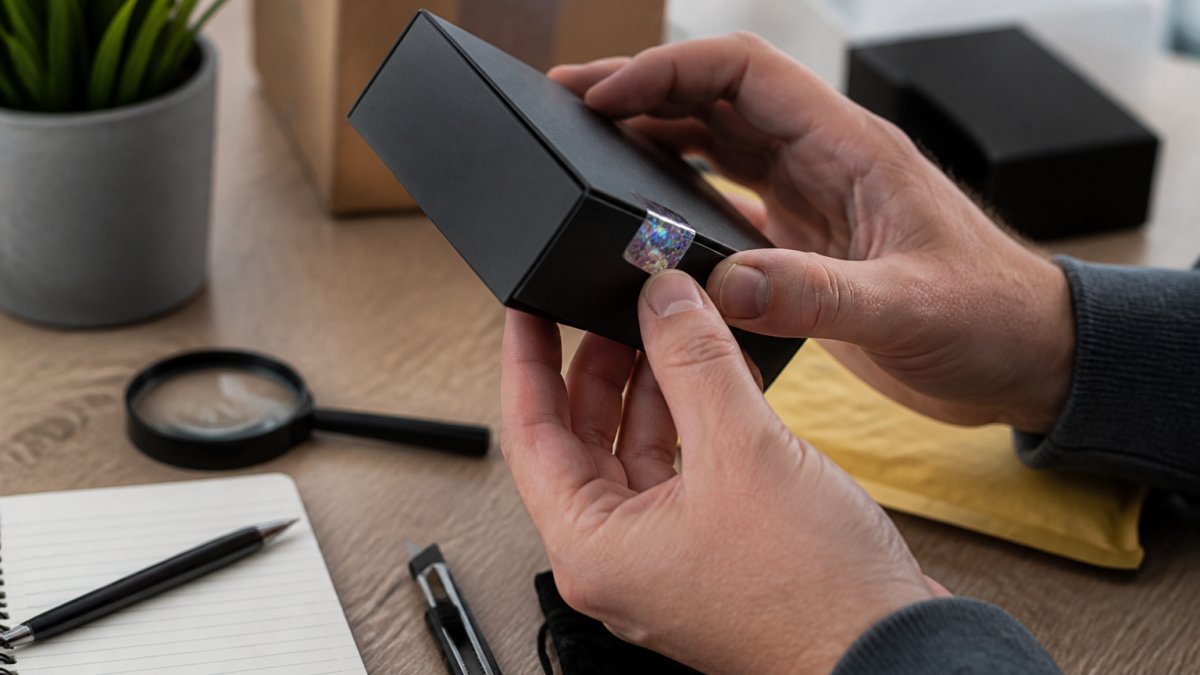
Verifying authenticity before purchase is your responsibility as a buyer. Authorized retailers handle much of this work for you, but understanding the verification process gives you confidence in what you're buying.
Check for Manufacturer Authorization
The first step is confirming that the retailer is actually authorized to sell the device. Most manufacturers maintain a list of authorized distributors on their official websites. Ledger, Trezor, and SecuX all publish their authorized retailers clearly. If the seller isn't on that list, walk away.
When you buy hardware wallet from retailer partners like The Crypto Merchant, you're purchasing from a business that's been vetted by the manufacturer. We maintain direct relationships with brands like Trezor and SecuX, which means we have accountability to them and to you. That accountability matters.
Check the manufacturer's website directly, don't rely on a link from the retailer's site. Type the URL yourself. Confirm that the retailer appears on the official authorized list. This simple step eliminates most counterfeit sources immediately.
Inspect Packaging and Physical Indicators
Legitimate hardware wallets ship with specific packaging features designed to prevent tampering. Trezor Model One and Model T devices come with tamper-evident seals. Ledger Nano devices have holograms and security labels. BitBox02 devices ship with specific documentation and packaging materials.

When your device arrives, inspect it immediately. Look for:
- Intact, factory seals that show no signs of opening
- Holographic labels or security stickers that are crisp and properly aligned
- Packaging that matches official product images (fonts, colors, layout)
- Serial numbers that are printed clearly, not hand-written
- All expected accessories (cables, backup cards, documentation)
If anything looks off, if seals are loose, labels are misaligned, or packaging feels cheap, contact the retailer immediately. Don't proceed with setup. A legitimate retailer will replace the device without question.
Cold Storage vs. Hot Wallets: Why Offline Security Matters
The fundamental reason to buy hardware wallet from retailer sources comes down to a simple principle: private keys should never be connected to the internet. A hot wallet, software stored on your computer or phone, is connected to the internet by definition. That connection creates attack vectors.
A hardware wallet keeps your private keys in an always-offline environment, according to Kaspersky's 2026 Cryptocurrency Security Report. The device never transmits your keys to the internet. When you approve a transaction, you're signing it on the device itself using the offline private key.
Hot wallets have a place in your strategy, they're useful for small amounts you're actively trading. But for long-term custody of significant assets, cold storage is non-negotiable. The hardware wallet you buy from an authorized retailer is your insurance policy against the kinds of attacks that have cost investors billions.
How to Set Up Your Hardware Wallet Securely
Once your device arrives and you've verified its authenticity, setup is critical. A properly initialized wallet protects your assets. A careless setup can undo all the security benefits of the hardware wallet itself.
 Trezor Model OneView product
Initial Setup and Firmware Verification
Before you do anything else, check for firmware updates. Connect your device to a computer running the official wallet software (Trezor Suite, Ledger Live, or BitBox02 app). These applications will notify you if a firmware update is available. Install it immediately. Firmware updates patch security vulnerabilities and add new features.

During initial setup, the device will generate a seed phrase, typically 24 words for modern devices. This is the master key to your wallet. If someone obtains your seed phrase, they can access all your cryptocurrency. The device will display these words on its screen. Write them down on the backup cards provided.
The hardware wallet itself stores an encrypted copy of your seed phrase, but you need a physical backup in case the device is lost or damaged. This is why the backup cards matter, they're your recovery mechanism.
Seed Phrase Management and Backup
Your seed phrase is the single most important piece of information related to your hardware wallet. Treat it like the physical equivalent of a cryptocurrency private key, because it is one.
Store your backup cards in a secure location. A safe deposit box at a bank works well. A home safe is acceptable. Avoid storing them anywhere that could be damaged by fire or flood. Some users create multiple copies and store them in different locations. Others use metal seed phrase storage devices that can survive extreme conditions.
Never share your seed phrase with anyone. Not with customer support. Not with family members. Not with anyone claiming to help you recover lost assets. Legitimate support teams will never ask for your seed phrase. If someone does, they're attempting to steal your cryptocurrency.
Authorized Retailers vs. Marketplace Sellers: What You Gain
The difference between buying from authorized retailers and third-party marketplaces extends beyond device authenticity. It includes warranty coverage, customer support, and peace of mind.
Warranty and Support Protection
When you buy hardware wallet from retailer partners like The Crypto Merchant, you receive a warranty backed by the manufacturer. If your device fails, you can return it for a replacement. This protection doesn't exist on most third-party marketplace purchases. A seller on Amazon has no obligation to replace a defective device.
More importantly, authorized retailers provide knowledgeable support. If you have questions about setup, security, or cryptocurrency management, The Crypto Merchant's team can help. We understand the products we sell because we're drawing on years of experience with these devices.
Device Authenticity Guarantees
Authorized retailers guarantee authenticity because their reputation depends on it. If we shipped counterfeit or compromised devices, we'd lose our authorization from manufacturers and our customers would leave. That accountability is built into every transaction.
When you buy from The Crypto Merchant, you're purchasing from a business founded by early crypto adopters, coders, miners, and investors who understand the stakes. We've been in this space since 2017. We know what it means to protect digital assets because we've protected our own.
Recommended Hardware Wallets From Trusted Sources
The Crypto Merchant carries several hardware wallets from trusted manufacturers. Each offers different features suited to different needs.
The Trezor Model One ($29.00) is the most affordable entry point. It features a monochrome OLED display, two physical buttons for transaction confirmation, and open-source software.
The Trezor Model T ($59.00) upgrades to a color touchscreen for easier navigation. The larger display makes it simpler to verify transaction details before confirming them.
 Trezor Model TView product

The Ledger Nano X ($99.00) offers Bluetooth connectivity, allowing you to manage assets directly from your mobile phone. It supports up to 100 different coin applications simultaneously.
The BitBox02 ($149.99) by Shift Crypto emphasizes simplicity and Swiss manufacturing standards.
Each of these devices is available through The Crypto Merchant with full authenticity verification, warranty coverage, and expert support.
Protecting your cryptocurrency portfolio starts with a single decision: where to buy your hardware wallet.
Frequently Asked Questions
What are the main risks of buying a hardware wallet from a third-party marketplace?
Third-party marketplaces like Amazon expose you to counterfeit devices, supply chain attacks, and tampered hardware. Unauthorized sellers may substitute legitimate devices with compromised versions that steal your private keys. Exchange hacks have driven retail users toward cold storage, but only authentic devices from authorized retailers provide true offline protection. Purchasing from marketplace sellers bypasses manufacturer verification and warranty support, leaving your digital assets vulnerable.
How can I verify if a hardware wallet retailer is authorized?
Check the manufacturer's official website for a list of authorized distributors. For example, Trezor and Ledger publish approved retailers on their sites. Request documentation of authorization and verify the retailer's credentials directly with the manufacturer. Authorized retailers provide tamper-evident packaging, genuine firmware, and cryptographic verification of device authenticity. The Crypto Merchant is an authorized distributor of Trezor and SecuX hardware wallets, guaranteeing authenticity and security for all products.
Why is it dangerous to buy a used hardware wallet?
A used hardware wallet may have been previously initialized with compromised firmware or a seed phrase known to the previous owner. Even if reset, the device could have been physically tampered with or contain malicious components. You lose all manufacturer warranty protections and support. Buying new from authorized retailers ensures the device arrives in its original state with unopened packaging, full firmware integrity, and complete recovery options if needed.
How do I set up my hardware wallet securely after purchase?
After receiving your device from an authorized retailer, verify the tamper-evident packaging is intact. Connect the device to your computer using the included cable, then initialize it through the manufacturer's official software (Trezor Suite or Ledger Live). Create a strong PIN, generate your 24-word seed phrase, and store it securely offline on the included backup cards. Never share your seed phrase or recovery seed with anyone. Enable all available security features before transferring your digital assets.


